
By Cinthia Ortega – Child Development Specialist and Parenting Consultant
When I became a mother, I expected sleepless nights, diaper changes, and endless cuddles. What I didn’t expect was the overwhelming anxiety that came from watching every developmental milestone.
I spent countless hours comparing my baby to milestone charts, reading parenting forums, and searching online for answers. Every time another baby seemed to be doing something earlier than mine, I worried.
Was my baby behind?
Was I doing something wrong?
Should I be concerned?
Looking back now, I realize that many of the developmental milestones that caused me so much stress turned out to be completely normal variations in development.
If you’re a parent who constantly worries about milestones, I want to share the lessons I learned so you can avoid some of the unnecessary anxiety that stole precious joy from my early parenting experience.
The Pressure of Modern Parenting
Today’s parents have access to more information than ever before.
While this can be helpful, it can also create tremendous pressure.
Everywhere we look, we see milestone checklists.
Social media is filled with babies crawling at six months, walking at nine months, and saying words before their first birthday.
Parenting groups often become unofficial competitions without anyone intending them to be.
One parent shares a video of their baby walking.
Another shares a picture of their baby reading books independently.
Another celebrates early speech development.
Suddenly, parents begin comparing.
I certainly did.
Instead of focusing on my baby’s progress, I focused on where my baby seemed to be falling behind compared to others.
This mindset created anxiety that, in most cases, was completely unnecessary.
The Rolling Over Milestone
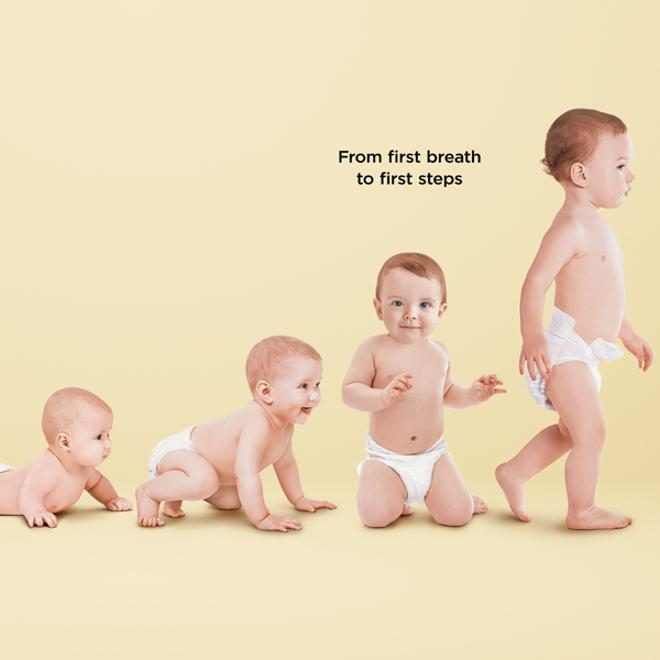
One of my first major worries involved rolling over.
Many milestone charts suggested that babies often begin rolling between four and six months.
When my baby reached five months and still hadn’t rolled consistently, I became concerned.
I searched online constantly.
I watched videos.
I compared timelines.
I even started wondering whether there was an underlying problem.
Then something surprising happened.
A few weeks later, my baby rolled over repeatedly as if it had always been easy.
Nothing was wrong.
My baby simply needed a little more time.
This was my first lesson that milestone ranges exist for a reason.
Development is not a race.
Sitting Independently
The next milestone that triggered anxiety was independent sitting.
Some babies seem to sit confidently very early.
Mine did not.
For weeks, I watched other babies sitting upright while my baby preferred leaning, wobbling, or falling over.
Every day I wondered whether we were behind.
Again, my worries proved unnecessary.
As my baby’s muscles strengthened naturally, sitting became easier.
Within a short period of time, the skill appeared almost overnight.
Many parents do not realize that development often happens in bursts rather than gradual daily progress.
Babies may seem stuck for weeks and then suddenly master a new skill.
Crawling Caused More Stress Than It Should Have
Crawling may be one of the milestones that creates the most anxiety for parents.
I remember watching other babies moving across rooms while mine seemed perfectly content staying in one place.
I worried constantly.
Was my baby delayed?
Should I encourage crawling more?
Was something wrong with muscle development?
The truth is that babies move in many different ways.
Some crawl traditionally.
Some scoot.
Some roll.
Some army crawl.
Some barely crawl at all before learning to walk.
In fact, some healthy babies skip crawling entirely.
This was something I didn’t know at the time.
Once I learned that crawling styles vary dramatically, much of my anxiety disappeared.
The Walking Milestone
Few milestones seem to generate as much comparison as walking.
Parents often remember exactly when their child took their first steps.
As my baby’s first birthday approached, I became increasingly nervous.
Friends proudly shared videos of babies walking at ten months.
Others walked at eleven months.
Mine wasn’t interested.
Every week that passed increased my worry.
Yet pediatricians consistently remind parents that there is a wide range of normal when it comes to walking.
Some babies walk at nine months.
Others walk at fifteen months.
Both can be completely healthy.
My baby eventually walked when ready.
Not because I forced it.
Not because I found a special technique.
Simply because development unfolded at its own pace.
Speech Development Became My Biggest Source of Anxiety
Of all the milestones, speech probably caused me the most stress.
Language development feels deeply personal.
Parents eagerly wait for first words.
We listen carefully for every sound.
We celebrate every attempt at communication.
When my baby wasn’t saying as many words as some peers, I became concerned.
I counted words obsessively.
I analyzed sounds.
I compared constantly.
What I eventually learned is that language development varies tremendously among children.
Some children focus on physical milestones first.
Others focus on communication.
Some are early talkers.
Some are late talkers.
Many perfectly healthy children develop speech on their own timeline.
The important thing is overall progress rather than comparing exact ages.
The Dangerous Habit of Comparing Babies
One of the biggest contributors to my anxiety was comparison.
Comparison feels natural.
Parents want reassurance that their child is developing normally.
Unfortunately, comparison often creates more stress than clarity.
Every baby is unique.
Genetics influence development.
Temperament influences development.
Personality influences development.
Environmental factors influence development.
Two healthy babies born on the same day may reach milestones weeks or even months apart.
This variation is often completely normal.
The problem is that comparison rarely accounts for these differences.
Instead, it convinces parents that their child should be following someone else’s timeline.
Social Media Made Everything Worse
Social media can be wonderful for connection and support.
However, it often highlights exceptional moments rather than everyday reality.
Parents typically post milestones when they happen early.
Few parents post about waiting patiently for development.
As a result, social media creates a distorted view of what is normal.
I spent too much time consuming content that increased my anxiety.
I saw highlights without context.
I saw achievements without seeing the challenges behind them.
Once I reduced my focus on online comparisons, I felt significantly calmer.
What My Pediatrician Told Me
During one appointment, I shared my growing concerns with our pediatrician.
His response changed my perspective.
He explained that parents often focus too much on exact milestone dates and not enough on overall development.
He encouraged me to look for progress instead of perfection.
Was my baby learning new things?
Was curiosity increasing?
Was interaction improving?
Was growth continuing?
These questions mattered more than whether a milestone occurred on a specific date.
That advice stayed with me.
Understanding Developmental Ranges
Milestone charts are useful tools.
However, many parents misunderstand them.
Milestones are not deadlines.
They are guidelines.
They represent averages and ranges.
When a chart says a skill typically develops between certain ages, it means many healthy children will achieve that skill somewhere within that range.
Some may even develop it earlier or later.
Development is not a precise schedule.
It is a process.
The Milestones Nobody Talks About
Ironically, some of the most important developmental achievements are rarely discussed.
Parents focus heavily on physical milestones.
But emotional and social development are equally important.
For example:
Learning to make eye contact.
Responding to caregivers.
Showing curiosity.
Expressing emotions.
Developing trust.
Building relationships.
These skills form the foundation for future learning.
Yet they rarely receive the same attention as walking or talking.
Looking back, I wish I had celebrated these achievements more often.
Every Baby Has Strengths
One realization helped reduce my anxiety dramatically.
Babies often develop strengths in different areas.
Some children excel physically.
Some excel socially.
Some excel verbally.
Some are highly observant.
Others are adventurous explorers.
Development is not about being first.
It is about growth.
When I stopped focusing on what my baby wasn’t doing and started appreciating what my baby was doing, parenting became far more enjoyable.
The Emotional Cost of Constant Worry
What I regret most is how much joy I lost to anxiety.
Instead of celebrating progress, I worried about the next milestone.
Instead of enjoying the present moment, I focused on future concerns.
I missed opportunities to appreciate how remarkable development already was.
Babies are constantly learning.
Every day brings growth.
Even when progress isn’t obvious, development is happening beneath the surface.
I wish I had trusted that process sooner.
When Parents Should Seek Professional Advice
While many milestone concerns turn out to be unnecessary, there are situations where professional guidance is important.
Parents should speak with a pediatrician if they notice:
Significant loss of previously acquired skills.
Lack of response to sounds or visual stimuli.
Major concerns about movement or muscle tone.
Difficulty interacting with caregivers.
Persistent developmental concerns that do not improve over time.
Seeking advice is never a mistake.
Professional evaluation provides reassurance and helps identify situations that may require support.
The goal is not to ignore concerns but to approach them calmly and thoughtfully.
What I Would Tell New Parents Today
If I could go back and speak to myself during those anxious early months, I would say this:
Stop watching other babies.
Stop comparing timelines.
Stop treating milestone charts like report cards.
Your baby is not failing because another child learned a skill earlier.
Development is not a competition.
Trust your baby’s unique journey.
Focus on progress.
Celebrate growth.
Ask questions when necessary.
But do not allow anxiety to overshadow the incredible experience of watching your child learn and grow.
The Most Important Lesson I Learned
The biggest lesson from my experience is that healthy development rarely follows a perfectly predictable schedule.
Babies are individuals.
They learn differently.
They grow differently.
They reach milestones differently.
And that is exactly how it should be.
Many of the developmental milestones that caused me sleepless nights turned out to be completely normal.
My worries did not help my baby develop faster.
They only prevented me from enjoying the journey.
Today, when parents ask me about milestones, I encourage them to focus on the bigger picture.
Look for steady growth.
Look for curiosity.
Look for engagement.
Look for learning.
Those signs matter far more than achieving a specific milestone on a specific date.
Because in the end, the goal is not raising a baby who reaches milestones first.
The goal is raising a healthy, happy child who develops confidently in their own time.
Cinthia Ortega
Child Development Specialist and Parenting Consultant
Helping parents replace anxiety with confidence through evidence-based guidance and real-world parenting experience.