
By Cloe Living – Baby Sleep Specialist with over 30 years of experience
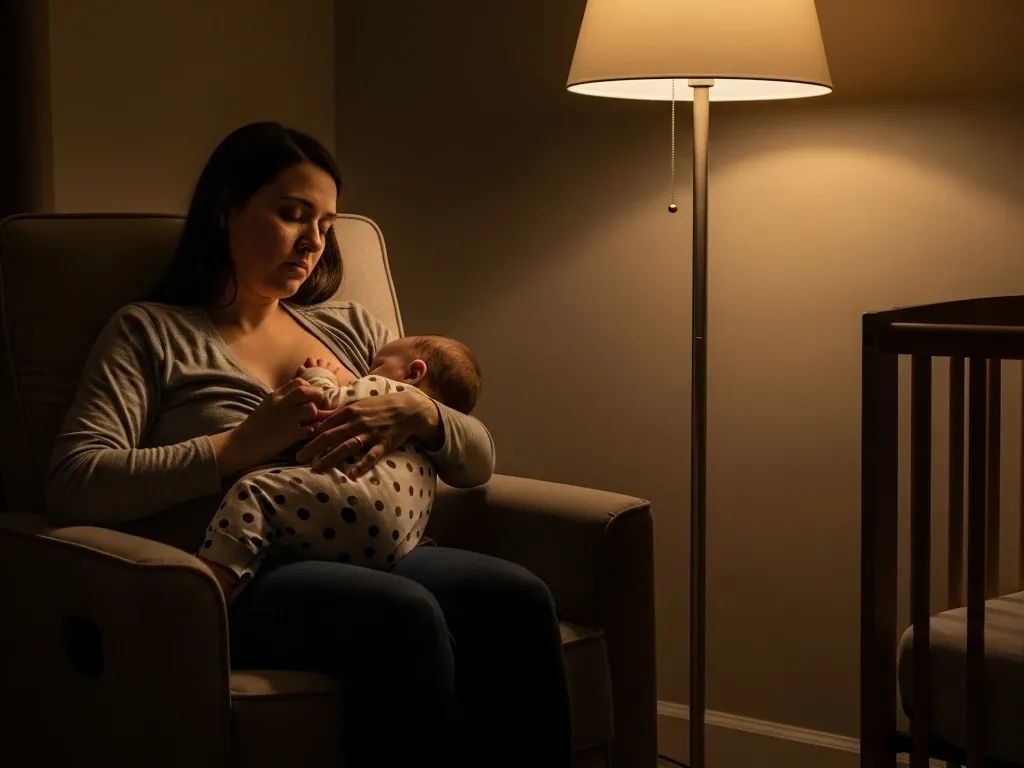
If your baby is not sleeping at night, you are probably exhausted, frustrated, and wondering what happened to those “sleeping baby” promises everyone talked about before you became a parent.
Maybe your baby:
- wakes every hour
- fights bedtime every night
- only sleeps while being held
- cries the moment they touch the crib
- takes short naps and sleeps poorly overnight
- seems tired all day but still refuses sleep
And after endless nights of broken sleep, many parents start asking:
“Why isn’t my baby sleeping at night?”
After helping families improve baby sleep for more than 30 years, I can tell you something very important:
most nighttime sleep struggles are not random — they usually happen because of a few common issues that can often be fixed with simple, consistent changes.
The good news is this:
In many cases, improving your baby’s sleep does not require complicated schedules, harsh sleep training, or impossible routines.
Usually, the biggest improvements happen when parents focus on:
- preventing overtiredness
- improving bedtime timing
- creating healthy sleep routines
- balancing naps
- reducing overstimulation
- encouraging independent sleep skills gradually
Because the truth is:
babies sleep best when their nervous system feels calm, regulated, and supported by predictable daily rhythms.
This guide will help you understand:
- why babies struggle to sleep at night
- the most common sleep problems
- the hidden effects of overtiredness
- how naps affect nighttime sleep
- the role of sleep associations
- how to create a healthy bedtime routine
- the simple fixes that actually work
Because better nights usually begin with healthier daytime foundations.
Is It Normal for Babies to Wake at Night?
Yes.
All babies wake during the night.
Even adults briefly wake between sleep cycles.
The difference is that older children and adults usually return to sleep independently without fully waking.
Babies are still learning how to do this.
So some night wakings are completely normal — especially during the first year.
However, if your baby struggles to fall asleep, wakes constantly, or seems unable to stay asleep, there is usually an underlying reason.
The Biggest Misunderstanding About Baby Sleep
Many parents assume babies should naturally “just sleep.”
But sleep is actually a developmental skill.
Babies must gradually learn how to:
- regulate sleep cycles
- transition between sleep stages
- calm their nervous system
- settle independently
- adapt to routines
And this process takes time.
Understanding Baby Sleep Cycles
Babies have much shorter sleep cycles than adults.
A baby sleep cycle typically lasts:
- 40–60 minutes
At the end of each cycle, babies partially wake.
If they cannot transition smoothly into the next cycle, they may fully wake and cry for help.
This is one of the biggest reasons babies struggle at night.
The Most Common Cause of Poor Night Sleep: Overtiredness
This surprises many parents.
Exhausted babies often sleep worse — not better.
Why Overtired Babies Struggle to Sleep
When babies stay awake too long:
- cortisol rises
- stress hormones increase
- the nervous system becomes overstimulated
This commonly causes:
- bedtime resistance
- frequent wakings
- short naps
- restless sleep
- early morning waking
Overtired babies have a harder time both falling asleep and staying asleep.
Signs Your Baby Is Overtired
Watch for:
- fussiness
- hyperactivity
- clinginess
- rubbing eyes
- short naps
- crying at bedtime
- waking frequently overnight
Many overtired babies actually appear energetic instead of sleepy.
Why Overtired Babies Seem “Wide Awake”
Parents often think:
“My baby doesn’t seem tired at all.”
But overtired babies often enter a stress response.
Their nervous system becomes overstimulated, making sleep much harder.
The Simple Fix: Better Wake Windows
One of the most effective ways to improve sleep is balancing wake windows.
Wake windows are the amount of time your baby stays awake between sleep periods.
Typical Wake Windows by Age
0–2 Months
- 45–90 minutes
2–4 Months
- 1–2 hours
4–6 Months
- 2–3 hours
6–9 Months
- 2.5–3.5 hours
9–12 Months
- 3–4 hours
Balanced wake windows help prevent overtiredness naturally.
Why Naps Affect Night Sleep
Many parents focus only on nighttime sleep.
But naps strongly affect nights.
Poor naps commonly create:
- overtiredness
- bedtime struggles
- emotional dysregulation
- more frequent wakings
Healthy daytime sleep supports healthier nighttime sleep.
Common Nap Problems
Your baby may:
- skip naps
- take short naps
- nap too late
- become overstimulated before naps
All of these can worsen nighttime sleep.
How to Improve Naps Naturally
Focus on:
- balanced wake windows
- calm nap routines
- dark sleep environments
- consistency
Even small nap improvements can help nights dramatically.
The Second Major Cause: Sleep Associations
Another major reason babies struggle at night is sleep associations.
What Are Sleep Associations?
Sleep associations are conditions babies connect with falling asleep.
Examples include:
- feeding to sleep
- rocking
- bouncing
- nursing
- being held
- stroller motion
These are not automatically bad.
But if babies depend on them every time they fall asleep, they often need the same help after every nighttime waking.
Why Sleep Associations Cause Night Wakings
Imagine falling asleep in your bed and waking somewhere completely different.
You would probably feel confused too.
Babies experience something similar.
If they fall asleep while rocking or feeding and later wake in the crib alone, they may fully wake searching for the original sleep condition.
Signs Sleep Associations Are Affecting Sleep
Your baby may:
- wake every sleep cycle
- need rocking repeatedly
- nurse constantly overnight
- wake during crib transfers
- struggle to settle independently
These are strong indicators of sleep dependency.
The Simple Fix: Gradual Independence
You do NOT need harsh sleep training methods.
Instead:
- reduce assistance slowly
- create consistent bedtime routines
- allow opportunities for self-settling
- respond calmly and predictably
Gentle consistency often works best long-term.
Why Bedtime Timing Matters So Much
Many parents assume later bedtime means better sleep.
But babies are very different from adults.
What Happens With Late Bedtime
Late bedtime commonly causes:
- bedtime resistance
- more night wakings
- restless sleep
- early waking
Earlier bedtime often improves sleep dramatically.
The Best Bedtime for Most Babies
Most babies do best with bedtime somewhere between:
- 6:30 PM and 8:00 PM
Of course, every baby is different.
But excessively late bedtime often worsens sleep.
Why Evening Overstimulation Worsens Sleep
Babies cannot instantly transition from excitement into deep sleep.
Their nervous system needs gradual calming.
Common Sources of Evening Overstimulation
These may include:
- loud environments
- bright lights
- excessive screen exposure
- exciting play before bed
- inconsistent bedtime routines
Overstimulated babies often struggle to settle.
The Simple Fix: A Calming Evening Routine
About 30–60 minutes before bedtime:
- dim lights
- reduce noise
- avoid stimulating play
- keep interaction calm and predictable
This helps prepare the body naturally for sleep.
A Simple Bedtime Routine That Works
- Bath or wipe-down
- Pajamas and diaper change
- Feeding
- Quiet cuddles
- Soft singing or white noise
- Into bed sleepy but calm
Simple routines are often the most effective.
Why Feeding Patterns Affect Night Sleep
Sometimes babies wake because they are genuinely hungry.
But many babies begin waking out of habit or comfort instead of true hunger.
Signs Feeding May Be Affecting Sleep
Your baby may:
- feed constantly overnight
- snack feed during the day
- become distracted while eating
- reverse calories into nighttime
This commonly happens during developmental phases.
The Simple Fix: Better Daytime Feeding
Try:
- calm feeding environments
- fewer distractions
- regular feeding opportunities
- balanced daytime routines
Better daytime calories often improve nighttime sleep naturally.
Developmental Changes and Sleep Regressions
Sometimes babies suddenly stop sleeping well because of developmental leaps.
Common ages include:
- 4 months
- 6 months
- 8–10 months
These phases are often called sleep regressions.
What Happens During Regressions
Babies may:
- wake more frequently
- resist naps
- become clingier
- struggle with bedtime
This is usually temporary.
The Simple Fix During Regressions
Focus on:
- consistency
- calm routines
- preventing overtiredness
- predictable responses
Temporary regressions usually improve with time and stability.
Could Teething Be Affecting Sleep?
Sometimes.
Teething may temporarily increase:
- fussiness
- discomfort
- sleep disruption
However, long-term poor sleep is usually caused by multiple factors — not just teething alone.
Could Illness or Discomfort Be the Problem?
Yes.
Always consider:
- illness
- reflux
- congestion
- eczema
- room temperature
- discomfort
If something feels medically concerning, contact your pediatrician.
Why the Sleep Environment Matters
Babies sleep best in environments that feel calm and predictable.
Ideal Sleep Environment
Focus on:
- darkness
- comfortable temperature
- white noise
- reduced stimulation
Small environmental changes can improve sleep quality significantly.
Why Consistency Matters More Than Perfection
Many parents constantly change strategies hoping for quick results.
But frequent changes often confuse babies.
Consistency helps babies understand expectations and feel emotionally secure.
What Healthy Sleep Actually Looks Like
Healthy sleep does NOT necessarily mean:
- sleeping 12 uninterrupted hours immediately
- zero night wakings
- perfect naps every day
Healthy sleep usually looks like:
- longer sleep stretches
- easier settling
- fewer wakings
- calmer nights
- gradual improvement
Progress matters more than perfection.
How Long Does It Take to Improve Sleep?
Every baby is different.
Some families notice improvements within days.
Others need several weeks of consistency.
Sleep development is gradual.
Common Mistakes Parents Make
Let’s review the biggest ones.
Mistake #1: Keeping Baby Awake Too Long
Overtiredness worsens sleep dramatically.
Mistake #2: Overstimulation Before Bed
Babies need gradual calming before sleep.
Mistake #3: Late Bedtime
Later bedtime often increases wakings.
Mistake #4: Constantly Changing Strategies
Consistency is essential.
Mistake #5: Expecting Immediate Perfection
Healthy sleep habits take time to develop.
Why Parents Feel So Emotionally Exhausted
Poor baby sleep affects:
- mood
- patience
- anxiety
- confidence
- emotional regulation
Sleep deprivation is incredibly difficult.
Parents need support too.
What Happens When Sleep Improves
When healthy sleep foundations improve, many families notice:
- calmer babies
- easier naps
- smoother bedtime
- fewer wakings
- happier days
- better parental sleep
Healthy sleep improves the entire household.
A Truth That Changes Everything
Here’s something I always tell parents:
babies are not trying to make sleep difficult — they are learning how to regulate sleep cycles, emotions, and independent settling.
That understanding changes everything.
Final Thoughts
If your baby is not sleeping at night, it does not mean you are failing.
In most cases, there are clear underlying causes that can improve with:
- balanced wake windows
- healthier naps
- calmer bedtime routines
- gradual reduction of sleep associations
- consistent responses
- prevention of overtiredness
And when those foundations improve, nights often become dramatically easier.
My Recommendation as a Specialist
Start simple.
Focus first on:
- protecting naps
- creating calming routines
- moving bedtime earlier if needed
- reducing overtiredness
- staying calm and consistent
Then allow your baby time to adjust gradually.